The Evolution of PBA Transition Offense: Philippine Basketball Association Strategy Through the Eras
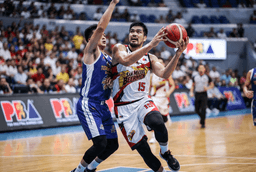
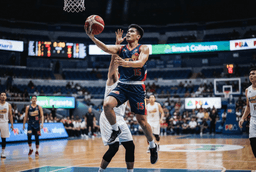
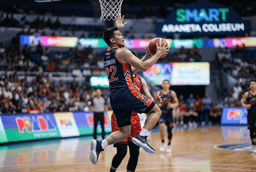
The Philippine Basketball Association (PBA) thrives on speed. While methodical half-court sets have their place, the league's most electrifying moments—the ones that bring crowds to their feet—stem from transition basketball. Masterfully executing a PBA transition offense is not just about running faster; it represents a decades-long tactical evolution. Understanding this shift provides deep insight into Philippine Basketball Association strategy, showing how global concepts have been adapted to fit the distinct speed, flair, and agility of Filipino basketball.
From the raw, frantic sprints of early PBA legends to today's analytically driven read-and-react systems, fast-break basketball has transformed from a chaotic impulse into a primary offensive weapon.
The Early Era: Run-and-Gun Pioneers in PBA Running Game History
Up-tempo basketball in the Philippines was built on a foundation of speed and improvisation. Early PBA play in the 1970s and 1980s—dominated by the legendary rivalry between Crispa and Toyota—was defined by pure athleticism and a run-and-gun mentality.
Coaches like Baby Dalupan and player-coaches like Robert Jaworski relied on a simple transition sequence: secure the defensive rebound, hit an outlet pass to dynamic guards like Francis Arnaiz or Bernie Fabiosa, and sprint downcourt for an uncontested layup before the defense could retreat.
Pace over Pattern: Transitions were unstructured, driven by raw conditioning rather than defined lane assignments.
The Import Factor: High-flying imports like Billy Ray Bates and Norman Black spearheaded early transition attacks, using unmatched physical power to overwhelm local backcourt defenses.
Defensive Trade-Offs: Fast breaks were treated as opportunistic gambles. Teams frequently conceded quick points on the other end, leading to ultra-high-scoring, fan-favorite contests.
The Structured Era: Secondary Breaks and Tactical Discipline
As the league matured during the 1990s and early 2000s, coaching philosophies underwent a major transformation. The influx of structured international strategies—most notably Tim Cone's introduction of the Triangle Offense with the Alaska Milkmen—forced teams to balance up-tempo ambitions with systematic execution.
| Era | Primary Tactical Focus | Key Figures / Dynasties |
|---|---|---|
| 1970s–1980s | Unstructured Sprints & Pure Pace | Crispa Redmanizers, Toyota Super Corollas, Baby Dalupan |
| 1990s–2000s | Secondary Breaks & Lane Discipline | Alaska Milkmen, Tim Cone, Johnny Abarrientos, Olsen Racela |
| 2010s–Present | Spatial Analytics, Point-Bigs & Transition 3s | TNT Tropang Giga, San Miguel Beermen, Chot Reyes, Jayson Castro |
Instead of chaotic downcourt dashes, coaches like Cone, Eric Altamirano, and Chot Reyes began implementing secondary breaks and early offense systems. Floor generals like Johnny Abarrientos, Olsen Racela, and Hector Calma were tasked with reading defensive retreats in real time.
Defined Lane Filling: Wing players ran wide routes along the sidelines to stretch interior defenders and create driving corridors.
Trailer Actions: Trailing big men were integrated into early offense actions, offering safety valves for pull-out jumpers if the initial rim attack was cut off.
Controlled Resets: If a numerical advantage wasn't present within the first six seconds, guards pulled the ball back out to establish half-court execution, drastically reducing live-ball turnovers.
The Modern Era: Analytics, Spacing, and Positionless Pace
Today's PBA transition offense is governed by spatial analytics, pacing metrics, and multi-skilled positionless players. Modern PBA coaching staff prioritize the open court because data proves that early shot-clock possessions yield the highest effective field goal percentages (eFG%).
Key Characteristics of Modern PBA Fast Breaks
The "Hurry-Up" Push: Initiating transition attacks instantly off made opponent baskets or dead-ball stops—a tactic perfected by Chot Reyes' Dribble-Drive systems with TNT.
Transition Three-Pointers: Rather than forcing contested rim finishes against collapsing interior defenders, elite transition guards like Jayson Castro and CJ Perez frequently kick to trailing shooters or pull up from deep.
Point-Big Versatility: Modern big men like June Mar Fajardo and Jamie Malonzo do not always wait to throw outlet passes. They grab defensive rebounds, push the pace themselves, and exploit mismatched defenses before half-court rotations can form.
Dynasties like the San Miguel Beermen and TNT Tropang Giga represent the pinnacle of this modern approach. By combining elite athletic conditioning with high-IQ spatial awareness, they turn defensive stops into instant, high-efficiency scoring runs.
The Future of Philippine Fast-Break Strategy
The evolution of the fast break mirrors the continuous growth of professional basketball in the Philippines. The PBA has successfully blended international analytical trends with the country's historic affinity for high-speed, heart-stopping play. As player skill sets broaden and court spacing expands, pace and transition efficiency will remain the ultimate hallmarks of championship-caliber PBA strategy.
TigerScores365 provides a comprehensive look at the sports world with live results, detailed player analytics, and the latest trending news. Browse our website to access a complete database of scores and stats designed to keep every fan fully informed and engaged.


2026-27 NBA Season Preview: Title Contenders & Championship Odds Analysis
Philadelphia 76ers Roster Breakdown: Can LeBron James & Jaylen Brown Lead Philly to an NBA Championship?
Philadelphia 76ers Roster Analysis: LeBron James, Joel Embiid & 2026-27 NBA Outlook
Positionless Basketball Strategy: The NBA Playmaking Evolution & Rise of Versatile Forwards
Milwaukee Bucks vs. Charlotte Hornets: Preseason Matchup Preview & Roster Breakdown
San Miguel Beermen vs Terrafirma Dyip: PBA Basketball Game Today Preview, Standings & Rosters
Barangay Ginebra San Miguel vs San Miguel Beermen: PBA Rivalry, History, and Recent Match Results
Rain or Shine Outlasts Magnolia 98-97 in Thrilling PBA Governors' Cup Encounter
Spurs vs Timberwolves Game Preview: Projected Lineups, Key Stats & Prediction
RJ Abarrientos: Player Profile, PBA Career Stats & Ginebra Impact