NBA Player Movement & Extension Tracker: Navigating CBA Second Apron Rules
NBA player movement in the 2026 offseason has entered an uncompromising financial era. Front offices are no longer merely assembling talent; they are operating under a system where maximum salary contracts and offseason trades and signings carry severe, immediate roster-building penalties. Managing roster construction requires balancing immediate championship ambition against long-term operational sustainability under complex hard caps.
Navigating modern NBA contract extensions demands a granular look at how top-tier franchises lock up core talent while avoiding financial paralysis under tax apron rules.
Key NBA Contract Extensions Breakdown
While free-agency moves make noise, the extension market dictates franchise trajectories. Securing foundational players before they reach open agency ensures stability while establishing manageable cap projections under rising salary cap ceilings.
| Player | Team | Extension Type | Contract Value / Duration | Strategic Cap Impact & Key Clauses |
|---|---|---|---|---|
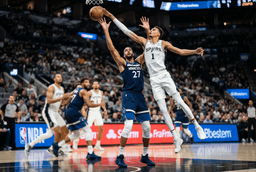
| Victor Wembanyama | San Antonio Spurs | Designated Rookie Max | $252.3M / 5 Years | Begins 2027-28; 25% max tier baseline; includes 15% trade kicker & 5th-year option. |
| Donovan Mitchell | Cleveland Cavaliers | Veteran Max Extension | $272.8M / 4 Years | Begins 2027-28; max-salary extension with a 5th-year player option & 15% trade kicker. |
| Dillon Brooks | Phoenix Suns | Veteran Extension | $73.0M / 3 Years | Begins 2027-28; secures veteran defensive perimeter stability. |
| Neemias Queta | Boston Celtics | Veteran Extension | $56.0M / 4 Years | Begins 2027-28; fully guaranteed deal locking down frontcourt depth. |
How Collective Bargaining Agreement Second Apron Rules Restrict Offseason Trades and Signings
The Collective Bargaining Agreement enforces team-building boundaries through progressive tax aprons. Crossing the second apron line (established at $17.5M above the luxury tax threshold) removes primary mechanisms for acquiring new talent:
Loss of the NTMLE: Teams exceeding the second apron lose access to the Non-Taxpayer Mid-Level Exception, preventing them from offering multi-year deals to high-value free agents.
Frozen Trade Aggregation: Front offices are prohibited from combining multiple player salaries to absorb a higher-earning star in trade transactions.
Cash and Pick Restrictions: Cash considerations cannot be included in trade deals, and first-round picks seven years out are frozen from trade negotiations.
Draft Position Penalty: Spending above the second apron in three out of five seasons automatically moves a team's future first-round draft pick to the end of the first round.
Franchise owners can no longer bypass payroll limits simply by paying luxury tax bills. Exceeding the second apron induces functional roster immobility.
Maximum Salary Contracts: Supermax vs. Rookie Scale Escalators
Allocating cap space for elite talent requires understanding structural extension tiers:
1. Designated Veteran Player Extensions (Supermax)
Available to veteran stars with 7–8 years of service who earn All-NBA, DPOY, or MVP honors. Deals start at 35% of the cap with 8% annual raises.
2. Rookie Scale Maximum Extensions
Available to former first-round picks entering their fourth season. While starting at a baseline 25% cap allocation, Derrick Rose Rule escalator clauses can elevate starting salaries to 30% if specific honor criteria are met prior to contract activation.
Maintaining multiple max contracts requires hitting on draft picks and minimum-salary contributors to keep roster building sustainable under modern financial constraints.
TigerScores365 is your ultimate multi-sport hub, delivering the latest scores, in-depth stats, and breaking news from the world of professional sports. Whether you're tracking league standings or looking for real-time game updates, our platform ensures you stay ahead of every play.


2026-27 NBA Season Preview: Title Contenders & Championship Odds Analysis
Philadelphia 76ers Roster Breakdown: Can LeBron James & Jaylen Brown Lead Philly to an NBA Championship?
Philadelphia 76ers Roster Analysis: LeBron James, Joel Embiid & 2026-27 NBA Outlook
Positionless Basketball Strategy: The NBA Playmaking Evolution & Rise of Versatile Forwards
Milwaukee Bucks vs. Charlotte Hornets: Preseason Matchup Preview & Roster Breakdown
San Miguel Beermen vs Terrafirma Dyip: PBA Basketball Game Today Preview, Standings & Rosters
Barangay Ginebra San Miguel vs San Miguel Beermen: PBA Rivalry, History, and Recent Match Results
Rain or Shine Outlasts Magnolia 98-97 in Thrilling PBA Governors' Cup Encounter
Spurs vs Timberwolves Game Preview: Projected Lineups, Key Stats & Prediction
RJ Abarrientos: Player Profile, PBA Career Stats & Ginebra Impact