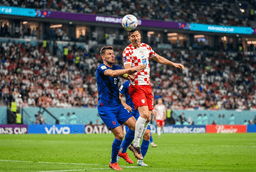
Gegenpressing Tactics & Defensive Transitions in Soccer: A Tactical Breakdown
The modern game moves at a blistering pace, demanding constant adaptation and tactical sophistication. Among the most defining strategies of the modern era is counter-pressing, widely known by its German name, Gegenpressing. This tactical framework fundamentally shifts a team's immediate priority after losing possession—transforming a moment of defensive vulnerability into an immediate goal-scoring opportunity.
At its core, high pressing in football is an aggressive, collective defensive action initiated within 3–5 seconds of a turnover. Instead of retreating into a low block, the team immediately swarms the opponent who just won the ball. Rather than relying solely on clean tackles, the objective is to force rushed passes, provoke panic, or trigger a secondary turnover while the opponent is defensively disorganized.
Popularized on the global stage by managers like Jürgen Klopp, Pep Guardiola, and Ralf Rangnick, mastering defensive transitions in soccer has evolved into a baseline requirement for top-tier clubs.
The 4 Triggers and Pressing Traps of the High Press
Effective counter-pressing relies on precise visual triggers rather than aimless chasing. Recognizing these specific cues collectively allows a team to collapse space instantly around the ball-carrier.
Common Counter-Pressing Triggers
Poor First Touch: An opponent receives the ball awkwardly or allows it to bounce, forcing them to look down at their feet.
Closed Body Orientation: The player receiving the ball has their back turned to the open pitch, severely limiting their field of vision.
Passes into Crowded Central Pockets: A pass played into an overloaded central midfield zone where defensive support is nearby.
Loose Second Balls: Uncontrolled second balls immediately following a long clearance or physical duel.
To maximize these triggers, teams set intentional pressing traps in soccer. Rather than blocking all passing lanes, defending sides deliberately leave specific passing options open—such as a pass to a weak-foot full-back near the touchline. Once the pass is played, the pressing unit uses the boundary line as an extra defender, cutting off lateral exit routes and forcing a turnover.
Counter-Pressing Triggers & Pitch Dynamics
| Pressing Trigger | Tactical Objective | Target Pitch Zone | Tactical Strategy Example |
|---|---|---|---|
| Bouncing / Heavy Touch | Swarm ball-carrier before balance is regained | Midfield Third | Dynamic mid-block overload |
| Pass to Touchline | Use touchline as extra defender to pin the ball | Wide Areas / Wings | Wing-back trap via 3-4-2-1 structure |
| Back Turned to Play | Block backward outlets & force blind turn | Central Half-Spaces | 5-second recovery rule |
| Slow Goalkeeper Distribution | Force hurried clearances under the 8-second FIFA mandate | Penalty Area / Six-Yard Box | High-turnover xG generation |
Measuring Counter-Pressing: Rest Defense and PPDA Metrics
Modern sports analytics evaluate the impact of high pressing in football through key metrics and structural concepts:
1. Passes Per Defensive Action (PPDA)
PPDA calculates how many passes a team allows the opponent to make in the opposition's defensive two-thirds before making a defensive action (tackle, interception, or foul). High-Intensity Pressing generally reflects a PPDA score under 8.0 to 9.5, whereas a passive low-block yields a score above 14.0+.
2. Rest Defense (Restverteidigung)
A successful counter-press relies on what happens before the ball is lost. Rest defense refers to the positioning of non-attacking outfield players while their team still has the ball. By maintaining structural balance—such as 3-2 or 2-3 rest defense lines using inverted full-backs or dropping pivots—a team remains positioned to lock down escape routes the millisecond possession changes hands.
Physical, Mental, and Tactical Demands
Implementing Gegenpressing tactics places high demands on squad depth and athletic preparation:
High-Intensity Sprints: Players must execute repeated accelerations and decelerations to close down space within 2–3 seconds of a turnover.
Cognitive Transition Speed: The mental shift from an attacking mindset to defensive pressure must be instantaneous; a single player delaying their run breaks the pressing structure.
Workload & Rotation: The physical toll of high-intensity counter-pressing requires careful squad management, data-driven recovery tracking, and tactical flex to prevent mid-season fatigue.
How Teams Counter the Counter-Press: Modern Press-Breaking
As defensive transitions in soccer have become highly systematic, managers have developed dynamic counter-tactics:
Direct Goal-Kick Distributions: Goalkeepers and defenders increasingly bypass short build-up lines with direct aerial passes to wide wingers or target forwards.
Relationalism & Micro-Rotations: Moving away from rigid positional play toward fluid, unpredictable player interactions that lure the opposition press before exploiting the vacated space.
Press-Resistant Midfielders: Utilizing midfielders with high press resistance who excel at turning under pressure to break through the first line of engagement.
Mastering the Defensive Transition
Gegenpressing remains one of the most powerful paradigms in football tactics. By turning defensive transitions into a direct attacking weapon, teams that master high-intensity counter-pressing paired with strong rest defense maintain a decisive edge in controlling the tempo of modern matches.
TigerScores365 provides a comprehensive look at the sports world with live results, detailed player analytics, and the latest trending news. Browse our website to access a complete database of scores and stats designed to keep every fan fully informed and engaged.


2026-27 NBA Season Preview: Title Contenders & Championship Odds Analysis
Philadelphia 76ers Roster Breakdown: Can LeBron James & Jaylen Brown Lead Philly to an NBA Championship?
Philadelphia 76ers Roster Analysis: LeBron James, Joel Embiid & 2026-27 NBA Outlook
Positionless Basketball Strategy: The NBA Playmaking Evolution & Rise of Versatile Forwards
Milwaukee Bucks vs. Charlotte Hornets: Preseason Matchup Preview & Roster Breakdown
San Miguel Beermen vs Terrafirma Dyip: PBA Basketball Game Today Preview, Standings & Rosters
Barangay Ginebra San Miguel vs San Miguel Beermen: PBA Rivalry, History, and Recent Match Results
Rain or Shine Outlasts Magnolia 98-97 in Thrilling PBA Governors' Cup Encounter
Spurs vs Timberwolves Game Preview: Projected Lineups, Key Stats & Prediction
RJ Abarrientos: Player Profile, PBA Career Stats & Ginebra Impact